
 Select Your Kit





Chintan A Vyas is Product Manager at Drayton, makers of the award-winning Wiser smart heating system and a member of BEAMA, the trade association for energy infrastructure and systems.
Chintan explains what the latest rise in the energy price cap means for households and shares practical steps you can take now to help reduce unnecessary energy use and keep heating costs under control.
Understanding the October energy price cap rise
“Ofgem announced that the energy price cap will increase by 4% from the 1st of October. For a typical household paying by direct debit for gas and electricity, this means the annual figure is rising rise by £60, from £1,663 to £1,723 – equivalent to around £5 more per month, or £60 per year.
“While around 35% of households (around 11 million) are on fixed tariffs and so won’t be affected by this rise, the energy price cap is in place to help protect the roughly 22 million households which are on default tariffs.
“It's important to recognise that £1,723 isn't a limit on what an individual household will pay. The price cap limits the unit rates and standing charges suppliers can charge customers on default tariffs; your actual bill will still depend on how much energy you use, where you live and how you pay.
“Most of the increase is being driven by higher wholesale gas prices due to continued volatility in global energy markets. As a result, gas bills will rise by around 8%, while households that don't use gas will see a smaller increase.”
What can you do early in October to lower your energy bills?
“For households concerned about October's increase, the important thing to remember is that while you can't control wholesale gas prices or the unit rate charged, you can have much greater control over how much energy you use. Heating is one of the biggest areas of household energy consumption, so now is a good time to review how efficiently your system is operating and whether you're heating your home only when and where you need to.
1. Only heat the rooms you need
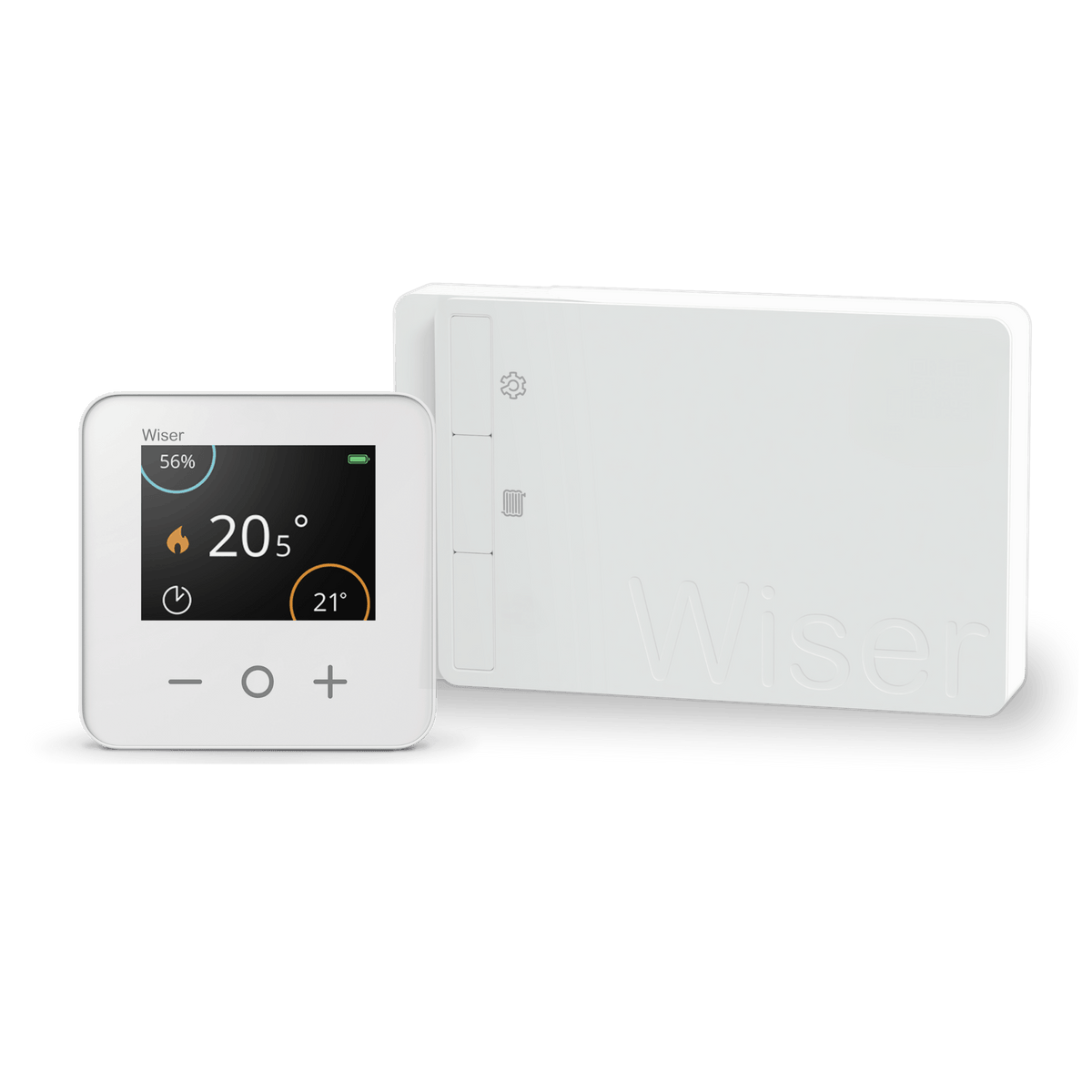
“Zoned heating can give households greater control over their energy use by allowing rooms to be heated to different temperatures, and at different times. Wiser zoned heating systems offer room-to-room control and scheduling, helping you keep your home comfortable without unnecessarily heating empty spaces. Smart modes can also help reduce unnecessary energy use. With a smart heating system, you could save up to 30%[1] on your annual energy bills.

2. Review your heating schedule
“It's worth reviewing your heating schedule before the colder weather arrives. Household routines can change, particularly with shifts in working patterns, so don't rely on last year's settings. Make sure your heating is only scheduled for the times you're typically at home and actually need it.

3. Check your boiler flow temperature
“It’s also a good idea to check your boiler settings to make sure your heating system is working as efficiently as possible. The boiler flow temperature controls how hot the water is when it leaves your boiler and travels around your heating system; this is different from your room thermostat, which controls how warm you want your home to be.
“For compatible heating systems, reducing the flow temperature can help the boiler operate more efficiently, while still ensuring your home is comfortable. The correct setting will depend on your boiler and heating system, so you should always check the manufacturer’s guidance before making changes.

4. Find and fix draughts
“Before temperatures begin to drop, check your home for draughts, particularly around windows and external doors. Even small gaps can allow warm air to escape and cold air to enter, meaning your heating system needs to work harder to maintain a comfortable temperature. Simple measures such as draught-proofing strips can help retain more of the heat you’re already paying for, meaning energy isn’t wasted.

“For anyone concerned about being able to afford their energy bills, it's important to contact your energy supplier as early as possible to discuss the support available.”
Find out more about Wiser’s range of buildable and energy-saving smart home kits and add-on devices.
[1] All smart thermostats system percentage savings based on BEAMA and Salford University research statistics 2021.