
 Select Your Kit





Older homes often come with character and charm, but their heating system weren’t designed with today’s smart technology in mind. The good news is that, in many cases, you can retrofit smart heating without replacing your boiler or undertaking major renovation work.
Can You Add Smart Heating to an Older Home?
In many cases, yes. Smart heating for older homes is designed to work with a wide range of existing heating systems, including many conventional gas boilers and radiator-based setups. A smart thermostat and connected radiator controls can often be installed using your current pipework, making it possible to make an old heating system smart without costly replumbing.
Before installing any smart heating controls, it's worth checking your boiler's compatibility. Most modern and many older boilers can work with smart controls, but certain systems may require a professional assessment.
Upgrading Older Heating Controls
Many households in older homes still rely on basic programmers, manual thermostats or heating schedules that don't reflect how they use their living spaces. When you upgrade heating controls, you gain the ability to create personalised heating schedules, control temperatures remotely and heat rooms independently based on how you use them.
This can be particularly useful in larger period properties where different rooms are used at different times throughout the day.
Do Existing Radiators Have to be Replaced?
A common concern when planning a wireless heating retrofit is whether existing radiators need replacing. In most cases, they don't. Smart radiator thermostats can often be fitted to compatible radiator valves, allowing room-by-room temperature control while keeping your existing heating system in place.
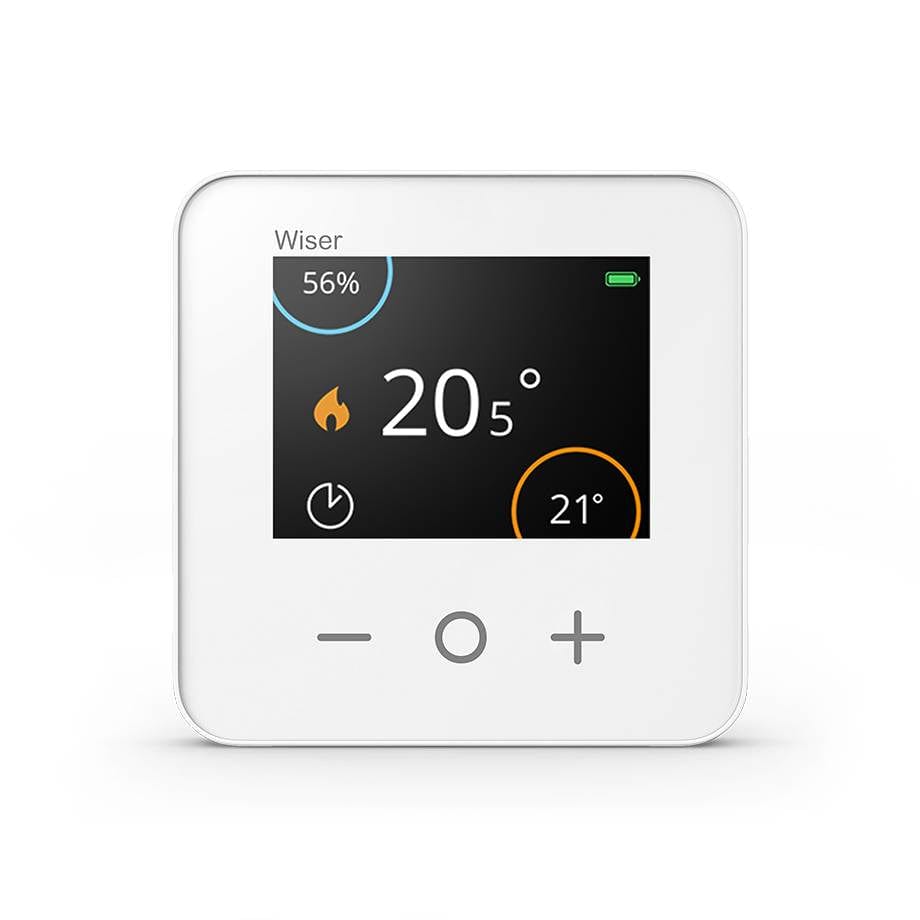
Many homeowners choose to install smart radiator controls gradually using buildable smart heating systems like Wiser, starting with the rooms they use most often before expanding throughout the property. If radiators are old or original to the older property, you may find that replacing them with newer radiators improves efficiency.
Overcoming Thick Walls and Layout Challenges
Older houses often have thick, solid walls, unusual layouts and construction materials that can affect wireless signals. When installing a smart thermostat in an old house, it's important to consider the location of the hub, thermostat and connected devices.
Some systems and devices offer signal-boosting features to help maintain reliable connections throughout the home. If you have particularly thick stone walls or a large property, professional advice may be worthwhile before installation.
When to Seek Technical Advice
While many smart heating products are designed to allow straightforward installation, some older homes have more complex existing systems. Properties with unusual zoning arrangements, specialist boilers, gravity-fed systems or heritage heating setups may benefit from expert guidance.
A professional installer can confirm compatibility and recommend the most effective setup, helping you enjoy the benefits of smarter heating control while making the most of your existing heating system.
If you're looking to retrofit smart heating into an older home, Wiser offers flexible heating controls designed to work with a wide range of boiler types. To help you choose your system, use our Wiser Product Selector to find the best option for your home.