
 Select Your Kit





A smart TRV (thermostatic radiator valve) is one of the easiest ways to make a heating system more efficient - but how does it compare to a standard TRV, and is a radiator valve upgrade worth it? Understanding the differences between manual, digital and smart options can help homeowners make the right choice.
What Is a Standard TRV?
A standard TRV is a mechanical radiator thermostat valve that controls heat output based on the temperature in the room. You set it manually, usually using a numbered dial, and it regulates the flow of hot water through the radiator accordingly. Standard TRVs are reliable and widely used, but they offer limited control and no scheduling or automation.
What Is a Smart TRV?
A smart TRV is an electronically controlled radiator valve that connects to a wider smart heating control system. Often described as a digital TRV (though not all digital TRVs may be smart TRVs) it allows precise temperature control for individual rooms via an app, smart thermostat or voice assistant. Smart TRVs are a key part of smart heating management, enabling zoning—so you can heat rooms only when and where you need to.
Manual TRV vs Smart TRV: Key Differences
The main differences when considering a manual TRV vs a smart TRV are control and flexibility. Manual TRVs require hands‑on adjustment, while smart TRVs offer remote access, schedules and automation. Smart versions can adapt to routines, occupancy and even weather conditions, helping to reduce wasted energy.
While digital TRVs may have a screen or buttons, they’re not automatically “smart”. True smart TRVs connect wirelessly to a central controller and integrate with other heating controls.
Common Smart TRV Questions
Do Smart TRVs Need Wi‑Fi?
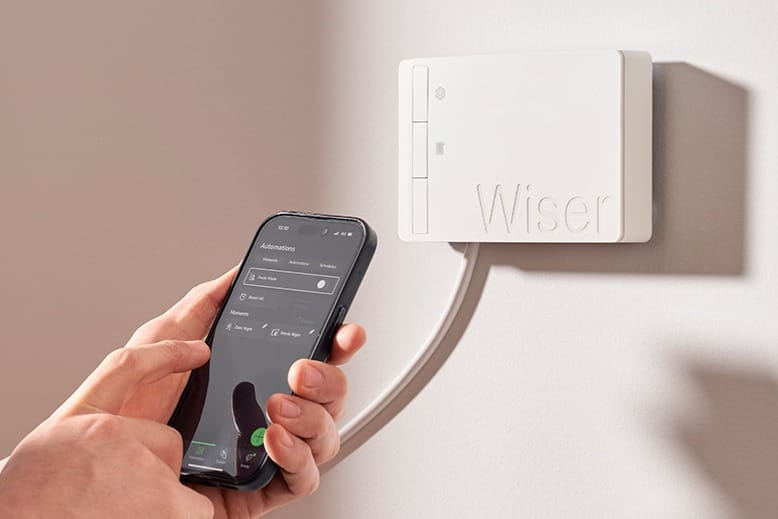
A common question is whether smart TRVs rely on Wi‑Fi. Typically, the TRVs themselves communicate with a central hub using a low‑power wireless signal, like Zigbee. The hub connects to Wi‑Fi so you can control your heating remotely via an app. If Wi‑Fi drops, you won’t have remote access to your system, but heating schedules continue to run as normal.
Read more here on how the Wiser system works.
Do Smart TRVs Replace Existing Valves?
Smart TRVs usually replace the head of an existing thermostatic radiator valve, not the valve body itself. This means upgrading is often straightforward and doesn’t require draining the heating system, making a radiator valve upgrade simpler than many homeowners expect.
Many smart heating systems like Wiser are buildable, meaning you don’t need to add smart TRVs to every radiator straight away, and you can keep manual TRVs in place until you’re ready to upgrade your home in full for maximum energy-saving and comfort benefits.
Is It Worth Upgrading Your TRV’s?
If you want better comfort, lower energy bills and more control, upgrading to smart TRVs can make a noticeable difference. They’re particularly effective in larger homes or properties with varying room usage, helping create a more responsive, efficient heating system.
Ready to upgrade to smarter heating?
Wiser brings smart TRVs, tailored room-by-room heating and scheduling and easy app control together in one flexible system.
Designed to work with your existing system, Wiser makes it simple to manage temperatures room-by-room, reduce wasted energy and improve comfort – from anywhere via the Wiser Home app. Discover how Wiser’s smart heating controls can help you take control of your heating, your way.
Wiser makes it easy to find the right kit for your home in a few quick questions with the Wiser Product Selector – try it now.